Degrees of Difference campaign
Bournemouth University’s marketing strategy for student recruitment is centered around an 18-month selling cycle aimed at engaging prospective students at critical points through well-crafted messaging. The campaign utilised a diverse range of channels, including printed prospectuses, the university’s website and animated gifs, social media platforms, email campaigns, open days, school visits, and even digital advertising at the AFC Bournemouth football ground.
I collaborated with colleagues from multiple departments at the university, including marketing, student recruitment, and academics, to design and implement the “Degrees of Difference” campaign. I take great pleasure in leading brainstorming sessions, where we generated innovative ideas and strategies. Additionally, I managed all aspects of the campaign, ensuring a cohesive message across various media platforms, including social media, email newsletters, and our university website. This involved coordinating with marketing colleagues, graphic designers, copywriters, directing film shoots and photoshoots, and scheduling to effectively engage our target audience.
KEY OBJECTIVES
- Generate 938 application clickouts and 367 open day registrations.
- Reduce dependency on Clearing and increase lead generation.
- Target primary locations (70% budget) and secondary locations (30% budget).
CAMPAIGN STRATEGY
- Focused on awareness through social platforms (Meta, TikTok, YouTube) and conversions via search channels (Google, Bing).
- Prioritized subject-specific campaigns for courses like Nursing, Business, Psychology, and Media.
- Used tailored messaging for students and parents, emphasizing BU’s value and real-world experience.
EFFECTIVENESS AND RESULTS
- Achieved 22.94M impressions (exceeding the target) and 88K clicks (below target).
- Recorded 1,019 “Apply Now” clicks and 410 open day registrations, surpassing predictions.
- Google Search and Bing were the top-performing channels, generating the most conversions.
- Organic traffic increased by 14.6%, and average time on the undergraduate apply page rose by 26%.
Although we fell short on click targets, the campaign was overall a success with our conversion rate ( target audience signing up to a degree course) exceeding our target numbers.
Impressions
12.4M Predicted.
24.4M Achieved
Apply now clicks
938 Predicted.
1019 Achieved
Open Day registrations
367 Predicted.
410 Achieved
Clicks
120.7K Predicted.
86K Achieved
CPC
£161 Predicted.
£158 Achieved
CPA
£111.84 Predicted
£97.10 Achieved
CTR
0.78% Predicted.
0.38% Achieved
AUDIENCE RESEARCH INSIGHTS
- Students converted after seeing ads multiple times, while parents engaged earlier.
- Mobile devices accounted for 71.32% of traffic, with high engagement from female audiences.
- London was the best-performing location for conversions.
CHANNEL PERFORMANCE
- Bing had the highest CTR (6.97%), followed by Google Search (6.16%).
- TikTok effectively targeted younger audiences, while YouTube ads drove engagement with video content.
- Meta campaigns generated clicks but had a high bounce rate.
TEAM CONSTITUTION AND DIRECTION
To carry out this campaign effectively, I brainstormed with the team and began by defining clear objectives, such as increasing application clickouts, open day registrations, and brand awareness. They understood audience segmentation was crucial, with tailored messaging for prospective students and parents/influencers. The budget was strategically allocated, focusing 70% on primary locations like Bournemouth and Southampton and 30% on secondary locations such as Bristol and Reading. The campaign was then divided into phases: an awareness phase using social platforms like Meta, TikTok, and YouTube, followed by a conversion phase leveraging Google Search and Bing ads. Content creation included engaging ad creatives tailored to each platform, such as video ads for social media and high-performing keyword-based search ads. Landing pages were optimized for user experience, with A/B testing to identify the best-performing designs.
Freelancers and outside agencies were used at strategic points, such as clearing for filmmaking and photography. They were briefed by me and a team designer or videographer so we could implement the same branding, tone of voice and creative across the campaign. Including team members in freelance selection and briefing made them feel valued and have ownership.
Throughout the campaign, the team monitored performance metrics like impressions, CTR, and conversions, refining targeting and messaging based on data insights. We re-targeted users who visited the website but didn’t convert to maximize engagement. Collaboration between teams was key, with clear roles assigned for content creation, ad management, analytics, and reporting. Regular updates were shared weekly to ensure alignment and consistency across channels. After the campaign, a thorough review of results against targets was conducted to identify areas for improvement and document key learning for future campaigns. By following this structured approach, the team achieved the campaign’s objectives and maximised its impact.
WHAT I LEARNT
- Retargeting website visitors with personalized messages can improve conversions.
- A/B testing landing pages and optimizing ad copies for specific user segments are recommended.
- Late-cycle visibility is crucial due to high competition near UCAS deadlines.
The campaign successfully boosted brand awareness, improved organic traffic, and exceeded several key performance metrics, despite falling short on click targets.
PROJECT CONCEPT
Included in the concept was the following:
DESIGN AND DEVELOPMENT
In print, the campaign features prospectuses, brochures, flyers, and posters that emphasise the university’s diverse courses and outstanding support services. The printed materials often include student testimonials, vibrant imagery of campus life, and key statistics about graduate success rates. The focus is on conveying a sense of community and personal development. The campaign design needed to be something that could evolve and be expanded upon over several years, building strong case studies that prove our claims of degrees of difference and develop our brand.
2021
2022
2023
2024
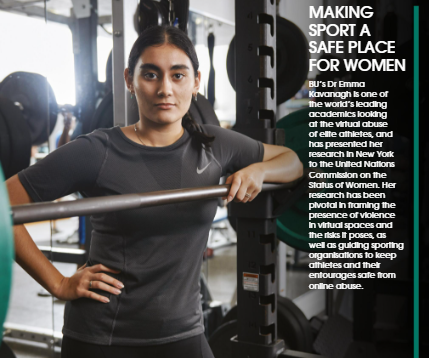
A photography and video style guide was created, that we could share internally and externally, building upon the original university branding. The models featured in the content were current students and alumni. They looked directly into the camera lens to foster an emotional connection with viewers. The resulting shots were both empowering and striking.
The international market was tailored to each country by focusing on key insights identified in market research. Since some countries experience intermittent Wi-Fi coverage, we provided printed brochures for our overseas agents to distribute. These brochures also functioned as online versions, which could be emailed as needed. By using the same files for both print and online formats, we streamlined the design process and reduced the workload for our designers, as there was only one file to update.
Online, the campaign utilizes targeted ads and engaging content on the university’s website. The website hosts interactive elements, such as virtual tours of the campus, detailed course descriptions, and information on support services. SEO strategies are also employed to enhance visibility in search engines, ensuring prospective students can easily find information about Bournemouth University.
On platforms like Instagram, Facebook, and Twitter, the campaign engages with current and prospective students through posts, stories, and live events. Hashtags related to the campaign allow for easy tracking of engagement and sharing. User-generated content is encouraged, inviting students to share their experiences and stories, fostering a sense of community online.
We continually checked click through rates to check how the campaign was performing.
The campaign encompasses university events, open days, and webinars, giving prospective students firsthand experience of campus life and academic offerings.
The video content includes student and alumni stories that convey their personal journeys and successes attributed to their time at Bournemouth. These videos are crafted to evoke emotion and resonate with potential students. Highlighting experiential learning opportunities, industry connections, and the vibrant campus culture helps potential students envision their future at the university.
Tic Tok Campaign
Different messaging and channels were targeted at key points in the future student journey led by market research.